
Updated: November 04, 2025
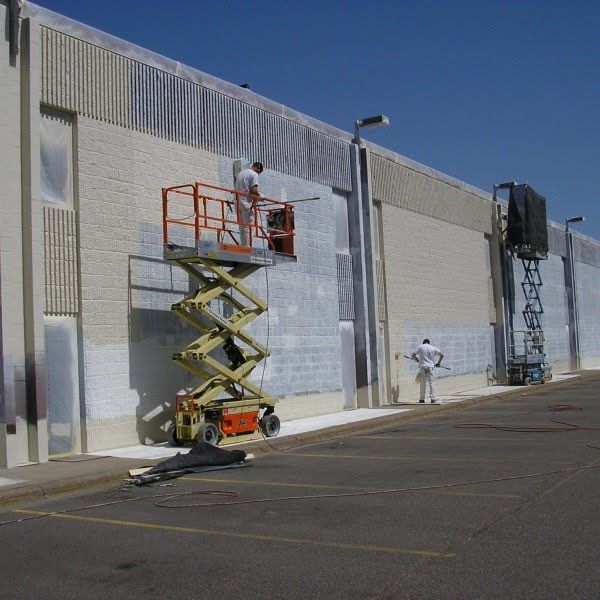
Many commercial buildings feature concrete block exteriors. While durable and low-maintenance, concrete walls can appear dull and uninspiring. A fresh coat of exterior paint for concrete block buildings improves curb appeal, gives your property a facelift, and creates a professional image for your company.
When to Repaint Your Concrete Block Building
Knowing when to repaint can save money and prevent damage. Several factors influence the lifespan of your paint, including weather exposure, sun damage, and normal wear and tear. Here are common signs it’s time to schedule a repaint.
Peeling or Flaking Paint
If paint is peeling or flaking off concrete, it often means moisture has seeped beneath the surface. Patching over these areas without addressing moisture can worsen the problem. Peeling paint can also encourage mildew growth and makes your building look neglected.
Faded Colors
Over time, UV exposure and weathering can cause uneven fading, especially on walls facing direct sunlight. Dark colors tend to fade faster, and areas near sprinklers or water sources may show more wear. A fresh coat of paint restores vibrant colors and maintains a professional appearance.
GRAFFITI ISSUES
Graffiti can damage your building’s image. The fastest solution is painting over it, but a mismatched color may look unprofessional. Consider protective coatings that make graffiti easier to remove or prevent it from sticking in the first place.
How to Ensure a Successful Concrete Block Paint Job
A long-lasting paint job requires proper preparation and the right products. Skipping steps can result in uneven paint, premature peeling, or flaking.
Surface Preparation: Pressure washing concrete walls removes dirt, grime, and old paint. Allow walls to dry completely before painting, as trapped moisture can cause blistering or peeling.
Choosing the Right Paint: Selecting the right paint is critical for concrete block exteriors. Options include:
- Acid-based stains: Permanent, durable, but more costly and time-consuming.
- Standard concrete paint: Offers custom colors and easier future repainting. Always use a primer—polyurethane, epoxy, or acrylic primers work well.
Adding Protective Coatings: Paint protects walls from more than just fading. Graffiti-resistant coatings can save time and money.
- Sacrificial coatings: Peeled or washed away with graffiti, require reapplication.
- Permanent coatings: Allow graffiti to be washed off without damaging the paint.
FAQs About Painting Concrete Block Commercial Buildings
How often should I repaint a concrete block building?
The frequency of repainting depends on several factors, including weather conditions, sun exposure, and the quality of the previous paint job. On average, most commercial concrete block buildings should be repainted every 5–10 years. Buildings in areas with harsh sunlight, heavy rainfall, or high pollution may require more frequent touch-ups. Regular inspections for peeling, fading, or mildew can help you determine the best time to repaint and avoid costly repairs.
What’s the best paint for concrete block walls?
Concrete blocks require paints that adhere well to masonry surfaces. Your options include acid-based stains or standard concrete paints. Acid-based stains penetrate the concrete and provide a durable, long-lasting finish, but they are more expensive and labor-intensive. Standard concrete paints are easier to apply, come in a variety of colors, and allow for future color changes. Regardless of the type, using a high-quality primer is essential to prevent peeling and ensure the paint lasts.
Can I paint over peeling paint?
Painting over peeling paint is not recommended, as the new coat will not adhere properly and may peel off quickly. Peeling paint usually indicates underlying moisture or surface damage, so the wall must be thoroughly cleaned, dried, and prepped before applying new paint. Pressure washing, patching any damaged areas, and applying a primer are crucial steps to ensure a smooth, long-lasting finish.
How do I protect painted walls from graffiti?
There are a few ways to prevent graffiti damage:
- Permanent anti-graffiti coatings: These allow graffiti to be removed with cleaning solutions without damaging the underlying paint.
- Sacrificial coatings: These are designed to peel or wash away along with the graffiti, but they need to be reapplied afterward.
- Regular maintenance: Quickly covering or cleaning graffiti discourages repeat tagging. By combining a quality paint system with protective coatings, your building will stay vibrant and professional for years.
Do I need a primer for concrete block walls?
Yes. A primer is critical for ensuring that paint adheres to concrete surfaces. Concrete is porous and can absorb moisture, which can lead to peeling if paint is applied directly. Primers, such as acrylic, epoxy, or polyurethane, seal the surface, create a uniform base for color, and improve the durability of the paint. Using a primer also enhances color vibrancy and reduces the need for frequent repainting, saving you time and money in the long run.
Get Started on Your Concrete Block Painting Project Today
Ready to transform your commercial building’s exterior? Whether you’re dealing with peeling paint, faded colors, or graffiti issues, Trend Painting can help you achieve a professional, long-lasting finish. Our experts specialize in concrete block painting, surface preparation, and protective coatings to ensure your building looks its best for years. Contact us today to schedule a consultation and give your property the curb appeal it deserves!